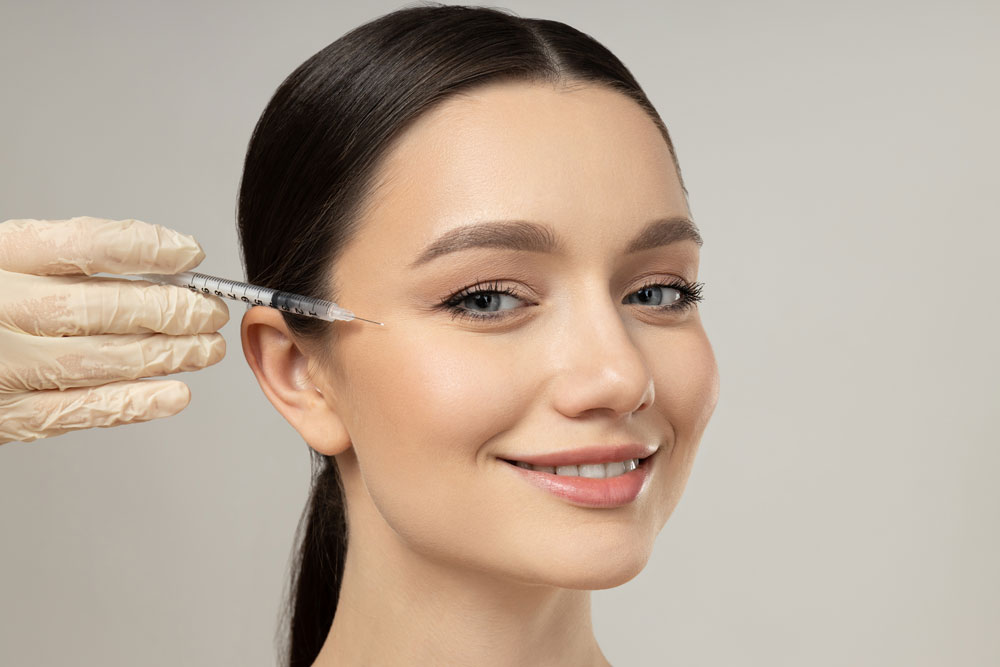
If you have been researching injectable wrinkle treatments, you have likely come across a few names that are familiar, and some that aren’t. Most people have heard of Botox before and know some of the basics about it. But Letybo is a newer name in the US. These products are similar, but not interchangeable. We offer both at the office of Mimi Lee M.D. PA, and our patients in Little Rock are often curious about what separates one from the other.
Botox and Letybo at a Glance
Botox
Botox is made from a purified strain of botulinum toxin type A and was first approved for cosmetic use in 2002. It has since become one of the most familiar names in aesthetic medicine. It reduces the movement of the small muscles behind expression lines and keeps creases from forming.
Letybo
Letybo belongs to the same drug class, botulinum toxin type A, but it comes from a different manufacturer, Hugel Aesthetics. The product was first developed in South Korea in 2016, where it has become the country’s leading neurotoxin. It targets muscles in the same way as Botox, but the manufacturing process is different.
Why We Offer Both
The way each person responds to treatment depends on muscle strength and skin texture, and some patients have preferences based on ingredients and the way the product behaves once injected. Dr. Lee offers Letybo alongside Botox because she can match each product to the individual for better customization and results.
The History of Each Neuromodulator
Botox and Three Decades on the US Market
Before its cosmetic approval for glabellar lines in 2002, Botox was already being used medicinally. The first person to use it was an optometrist named Dr. Alan Scott, who began treating blepharospasm (uncontrolled blinking or eyelid spasms) and strabismus (crossed or misaligned eyes) with Botox. Doctors using it for these conditions found that glabellar lines also softened during the treatment, which began its use in cosmetics. Botox is now approved for four different places on the face and neck.
Letybo’s History and the South Korean Market
Letybo has a shorter history in the US, but has been used extensively abroad. Since its debut in 2016, more than 31 million treatments have been performed worldwide. South Korea’s aesthetic injectable market is competitive, with several neurotoxin brands sold in a country a fraction of the size of Arkansas, and Letybo has held the top spot there for years.
Dr. Lee’s Firsthand Look at the Global Market
During a conference trip in 2004 to Seoul, Dr. Lee was able to see the competitive aesthetic landscape firsthand. She learned about the K-beauty philosophy, which treats skincare as ongoing maintenance and focuses on prevention. This is part of her perspective as she talks with patients about using neuromodulators as a long-term strategy.
Letybo vs. Botox: Ingredient and Formulation Differences
The active ingredient of both Botox and Letybo is the same. The difference is in the manufacturing process. Letybo is processed with advanced filtration methods that produce a highly purified product with minimal protein content, which may lower the chance of developing resistance over longer use. Botox uses a proprietary purification process, refined over more than two decades of production.
Letybo vs. Botox: Comparing Onset Time
Letybo is known for working quickly, with some patients noticing changes as early as day one and an average onset of three days. Botox typically takes three to five days before results start to set in, and full results can be seen two weeks after treatment. If you are preparing for an event on shorter notice, onset speed may be one of your main considerations and worth discussing at your consultation.
Letybo vs. Botox: Duration of Results
Patients can expect results from either product to last between three and four months. Your individual results and longevity will also depend heavily on your metabolism and how consistently you come in for maintenance treatments. Staying on a regular schedule helps your muscles stay relaxed for longer.
Letybo vs. Botox: Cost and Value Consideration
Pricing for both products depends on the number of units Dr. Lee uses for the treatment, and prices are comparable between the two. A patient with stronger facial muscles will likely need more product, regardless of which neuromodulator you choose. During your consultation, Dr. Lee will assess your facial movement and give you an estimate before any treatment begins so there are no surprises. If you want to spread out the cost, ask about our financing options.
Common Treatment Scenarios
- You Are New to Neuromodulators: Either product offers a well-studied introduction to neuromodulators, so newcomers do not need to feel pressure to pick the right one on the first visit.
- You Want the Fastest Visible Onset: Letybo’s early activity may appeal to you if you have an event coming up soon and want to see change quickly.
- You’ve Used Botox for Years and Want to Compare: Many longtime patients are curious whether a different formulation feels or lasts differently for their specific muscles.
- You’re Treating Areas Outside the Glabella: Botox is approved for more areas in the US, including FDA approval for forehead lines, crow’s feet and platysmal bands.
- You’re Curious About Antibody Resistance: If you have noticed reduced results over time, Letybo’s purification profile is worth asking about at your next visit.
Schedule Your Neuromodulator Consultation in Little Rock
Whether you are drawn to Botox’s long history or curious about Letybo’s quick onset, the right choice starts with a conversation. Contact Mimi Lee M.D. PA in Little Rock to schedule your consultation and find the neuromodulator that fits your face and your goals. Call 501-224-0880 to get started.